Loading...

Loading...
I'm Marcus Rummler, founder of RETSA Group. My background is instructional design - helping people understand systems, processes, and new ways of working. Today I combine that foundation with workflow design and practical tool-building , including specialised web apps, internal tools, and AI-enabled prototypes , to cut manual work and build team capability.
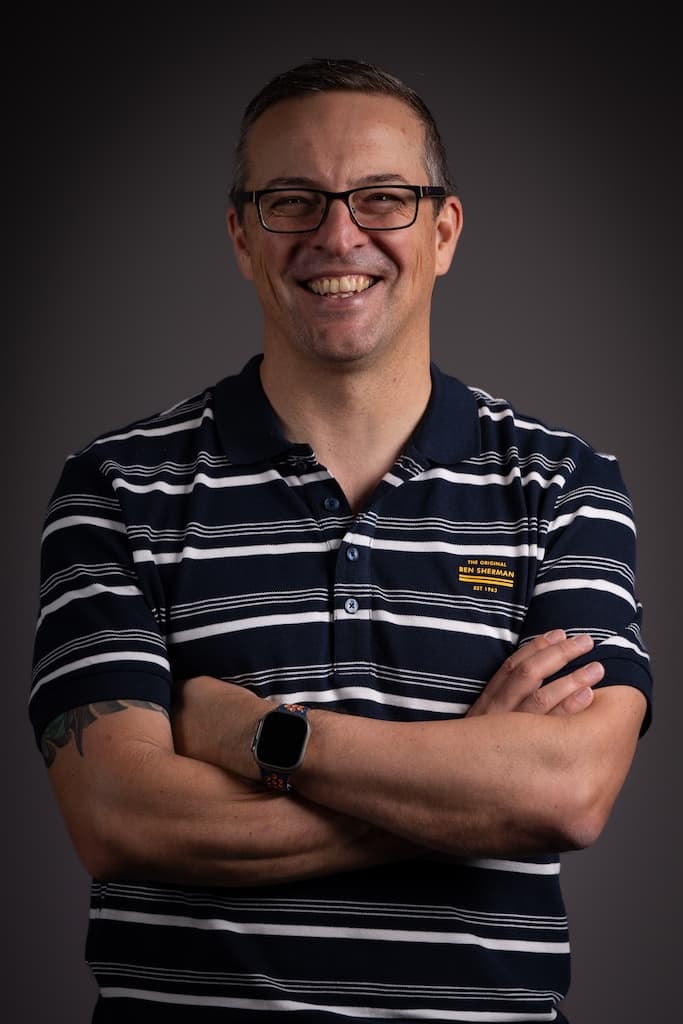
I've spent years helping people understand complex systems, processes, and ways of working through eLearning, documentation, job aids, and training programs for organisations in regulated and technical environments.
But I kept seeing the same pattern: sometimes the problem wasn't a lack of training. It was a messy workflow, repeated admin, knowledge stuck in documents, or a process that depended too much on one person.
So I started building small tools and prototypes to fix those problems directly. That didn't replace instructional design - it extended it.
RETSA Group sits at the intersection of training, workflow design, and building practical tools , because those three belong together.
Training matters. But training alone doesn't always fix the work.
Sometimes what a team needs is clearer documentation, a better handover process, a searchable knowledge base, or a small tool that turns messy inputs into something useful.
That's where I start: understanding what people are trying to do, where they're getting stuck, and what kind of support will actually help.
“The goal isn't to add more technology. It's to make work clearer, faster, and easier to adopt.”
I break down complex information, design learning that supports performance, and create materials people actually use, not just complete.
Before recommending training or tools, I look at how work actually happens - where the friction sits and what would make things easier.
I design and build small, useful tools and web apps that solve specific problems , from fundraising boards and route planners to internal prototypes , without over-engineering.
Reducing manual admin. Improving access to knowledge. Supporting system and process change. Helping teams adopt tools that make everyday work easier.
The portfolio includes training and documentation, shipped products, AI-enabled prototypes, and internal tools, all built from actual client and project work.
I prefer practical conversations, fast prototypes, and small pilots over long strategy decks. If the problem is clear, the first step is usually something tangible: a workflow map, a training draft, a prototype, or a working demo.
Begin with a focused pilot or prototype
Create tangible outputs early
Ensure the solution gets used
Start with a conversation. We'll look at the problem, find the friction, and figure out whether training, workflow support, or a small prototype is the right next step.